Define the assembly
Part geometry, gap or potting depth, substrates and sensitive components.
 Find the right product→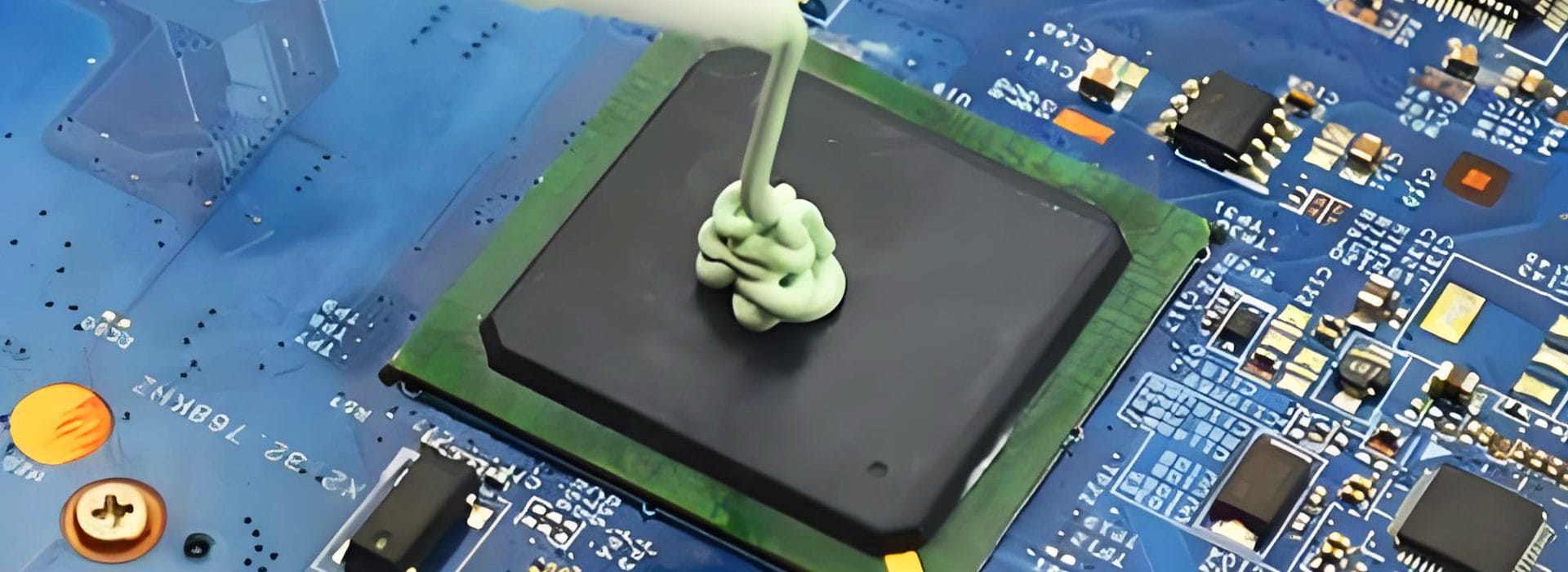
EST connects the part, operating environment and production process to practical material routes for electronics, consumer devices, energy systems, mobility and textile printing.
A data sheet describes a material. A dependable recommendation also considers the geometry, substrates, cure window and how the part will be used.
Part geometry, gap or potting depth, substrates and sensitive components.
Temperature, moisture, electrical demands, vibration and service life.
1K or 2K dispensing, viscosity, working time, cure schedule and line speed.
Adhesion, cure, electrical or thermal performance and production trials.
Each field is organized by typical assemblies, engineering priorities and the EST material routes available for evaluation.
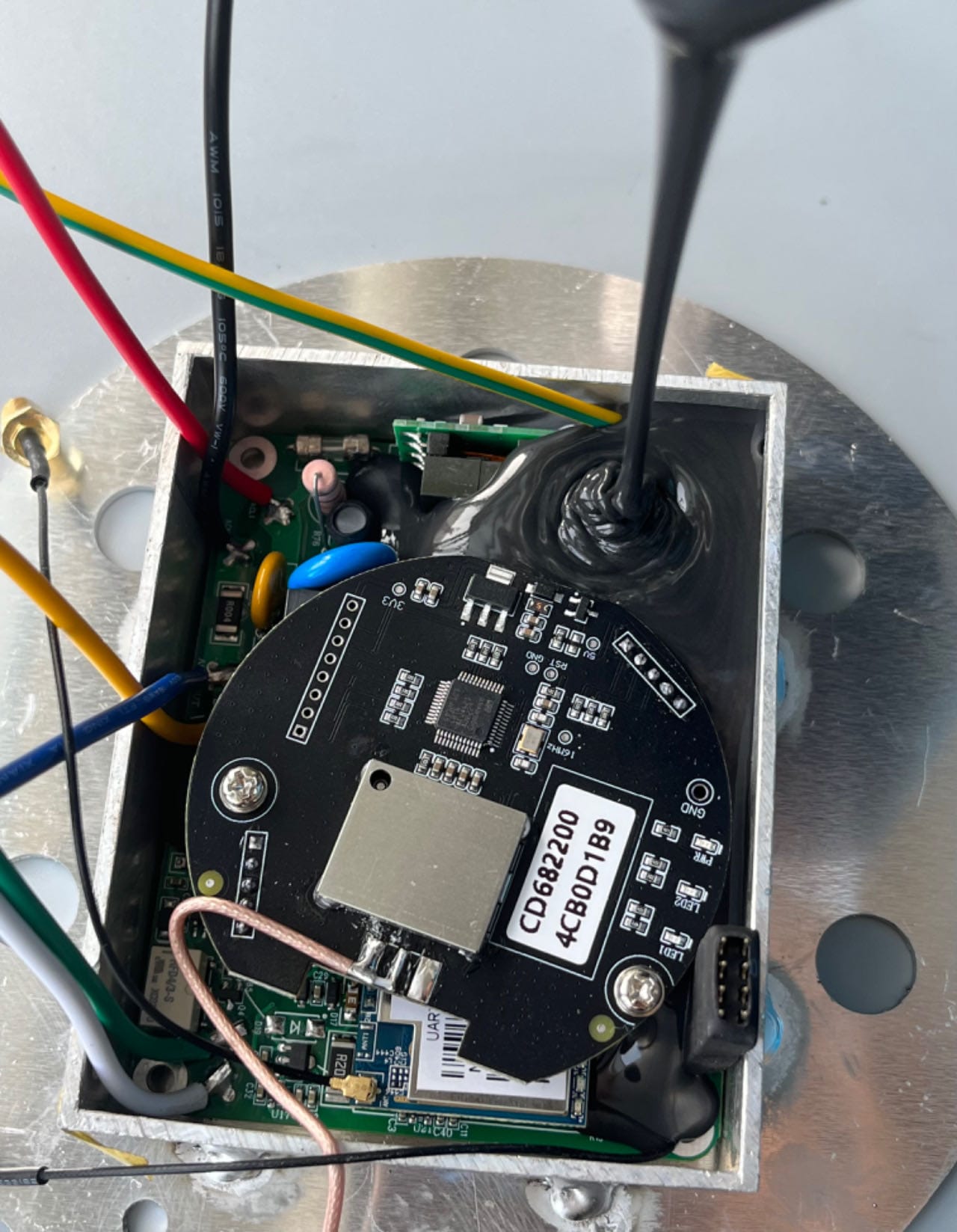
Protect control boards and sensitive components while balancing electrical insulation, stress, heat and production requirements.
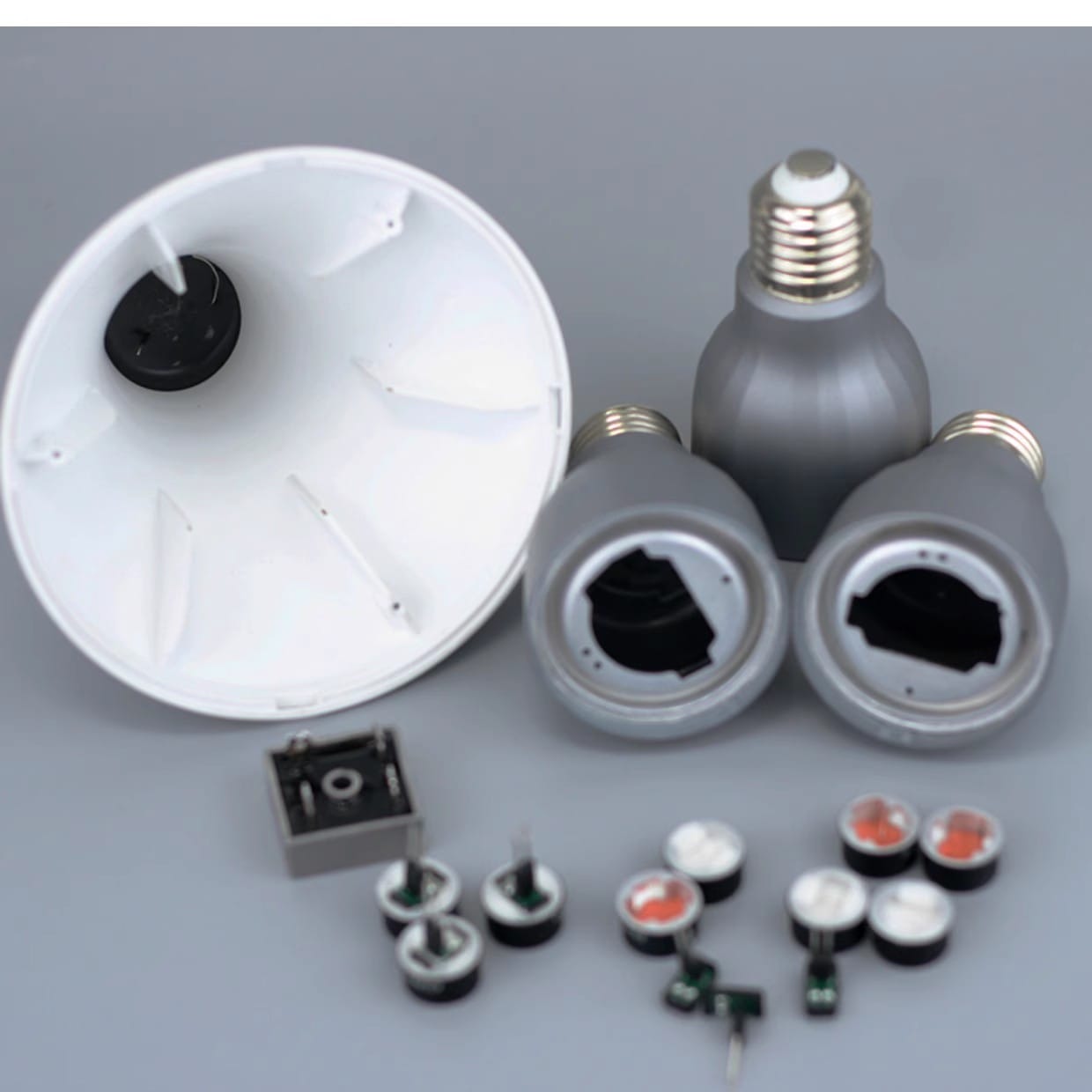
Support compact, high-volume products where controlled flow, reliable bonding and repeatable curing matter on the production line.
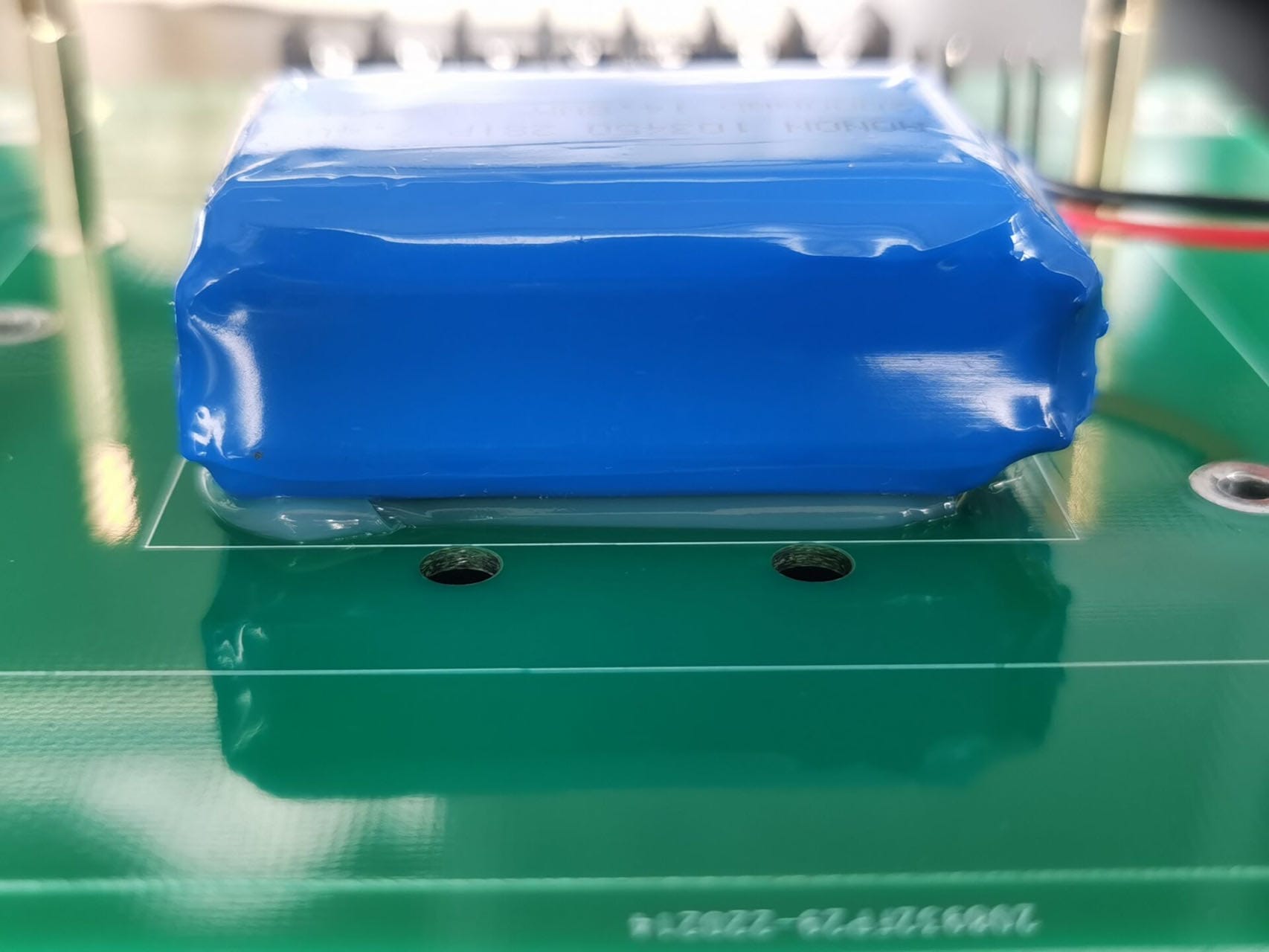
Address heat, weather, vibration and electrical protection in energy conversion, charging and vehicle electronic assemblies.
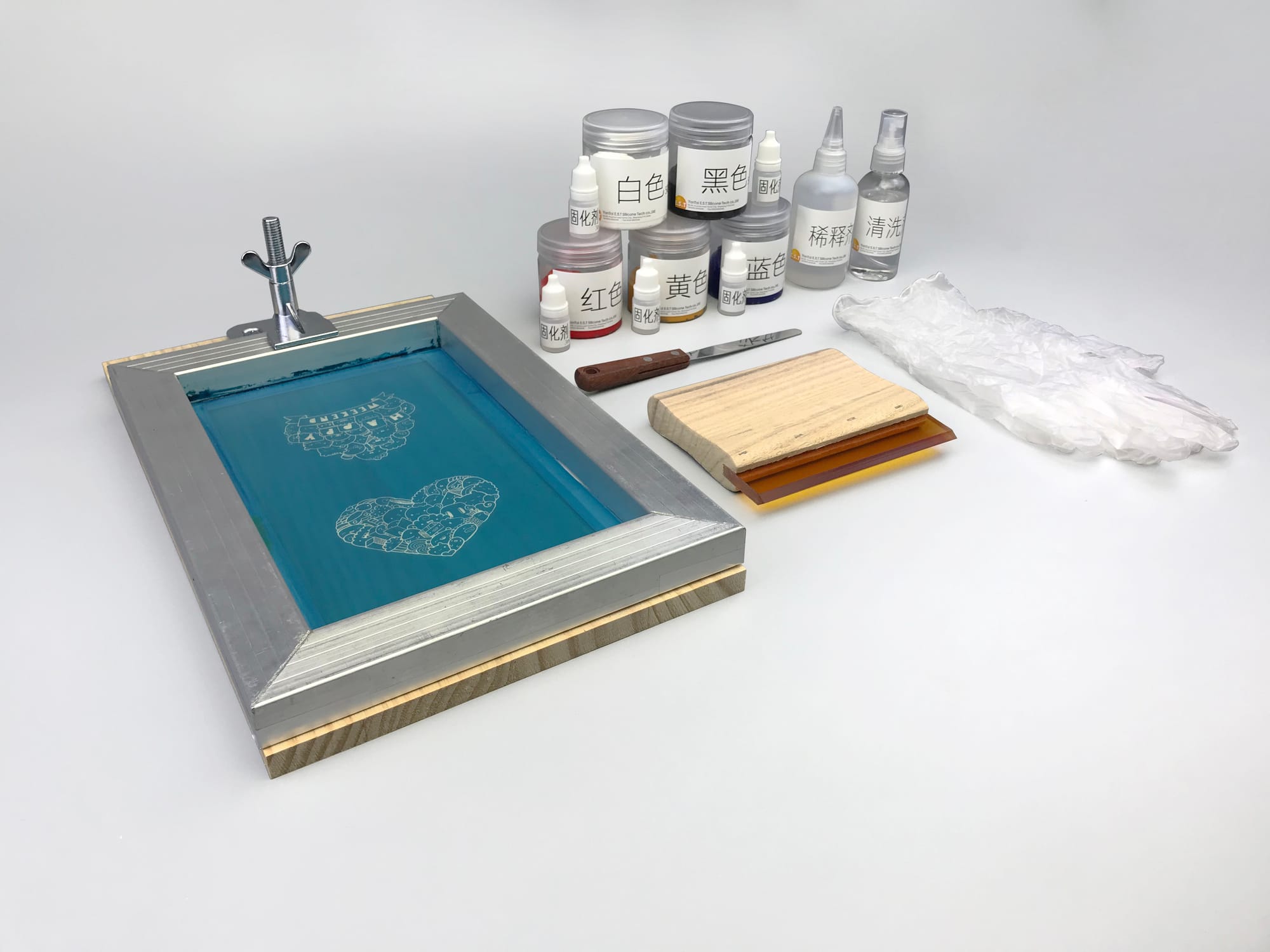
Create flexible, tactile and durable printed effects with silicone ink systems designed for screen-printing workflows.
These routes narrow the search. Final selection still depends on the exact substrates, process and validation targets.

EST's application work combines formulation knowledge with practical process checks. Share the part, substrate and operating requirements so the trial plan reflects production reality.
Use the guided selector for an initial shortlist, or send the assembly, substrates, process and performance targets to an EST engineer.